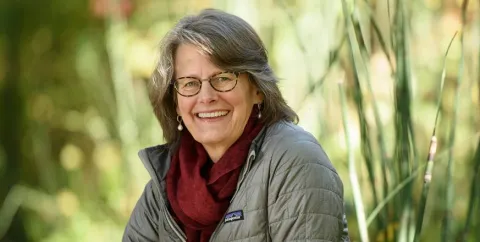
ARCS NCC member Nancy Mueller “discovered” Elizabeth Hadly, Ph.D., Professor of Biology at Stanford, while watching a documentary by David Attenborough, and immediately contacted her about being a speaker for one of our monthly conversations on science. Dr. Hadly (“Liz”) is described as a global change scientist for the past four decades. She studies the links between ecology and evolution, combining field and laboratory approaches in her research lab at Stanford. She agreed to speak to ARCS NCC on “Species Extinction – The Anthropocene”.
[NOTE: the Anthropocene is a proposed geological epoch dating from the commencement of significant human impact on Earth's geology and ecosystems, including, but not limited to, anthropogenic climate change. It has yet to be recognized officially by international geologic organizations but is generally agreed to start about 1950.]
Liz presented at least 4 key facts per minute, including:
Global population in 1950 was 2.5 billion; in 2020, it was 7.9 billion
Fertility rates have decreased significantly in all continents except Africa; Africa is also the outlier economically
Humans have changed 75% of the planet’s lands
Poor nations have the smallest carbon footprint/person but bear the greatest economic impact of climate change, including pollution, toxin exposure (plastics, concrete, aluminum, heavy metals), national disasters (drought, floods, fires, etc.)
She talked about using analysis of cores from the Searsville Lake on the Stanford campus that capture 127 years of sediment that is deposited at 5-10 cm per year. The core provides evidence such as the appearance of mercury – a very toxic heavy metal used in gold and silver mining from 1848-1855 – that never goes away but instead is stored in vegetation and released into the atmosphere during fires. These cores are like chemical signatures of climate in our backyard.
Liz emphasized the critical relationship among the increased global population, the clearing of land for food production, the decreased habitat for many species, and the increase in disease transmission from animals to humans and from humans to animals (zoonoses). She also linked these changes to species extinction – from birds to pollinators such as monarch butterflies to fish and mammals such as the elephant. In fact, wildlife populations declined by more than 50% from 1970-2016. She emphasized that the loss of pollinators is a huge threat to food production in the near future. She sees the loss of biodiversity as an unrecognized complication of the climate crisis. She acknowledged that these findings are pretty depressing and tried to end on a positive note, citing the October 7 Executive Order signed by California Governor Newsom to protect 30% of state lands and waters by 2030.
Dr. Hadly did a superb job in fielding the many questions from ARCS members and friends. She received a virtual standing ovation.
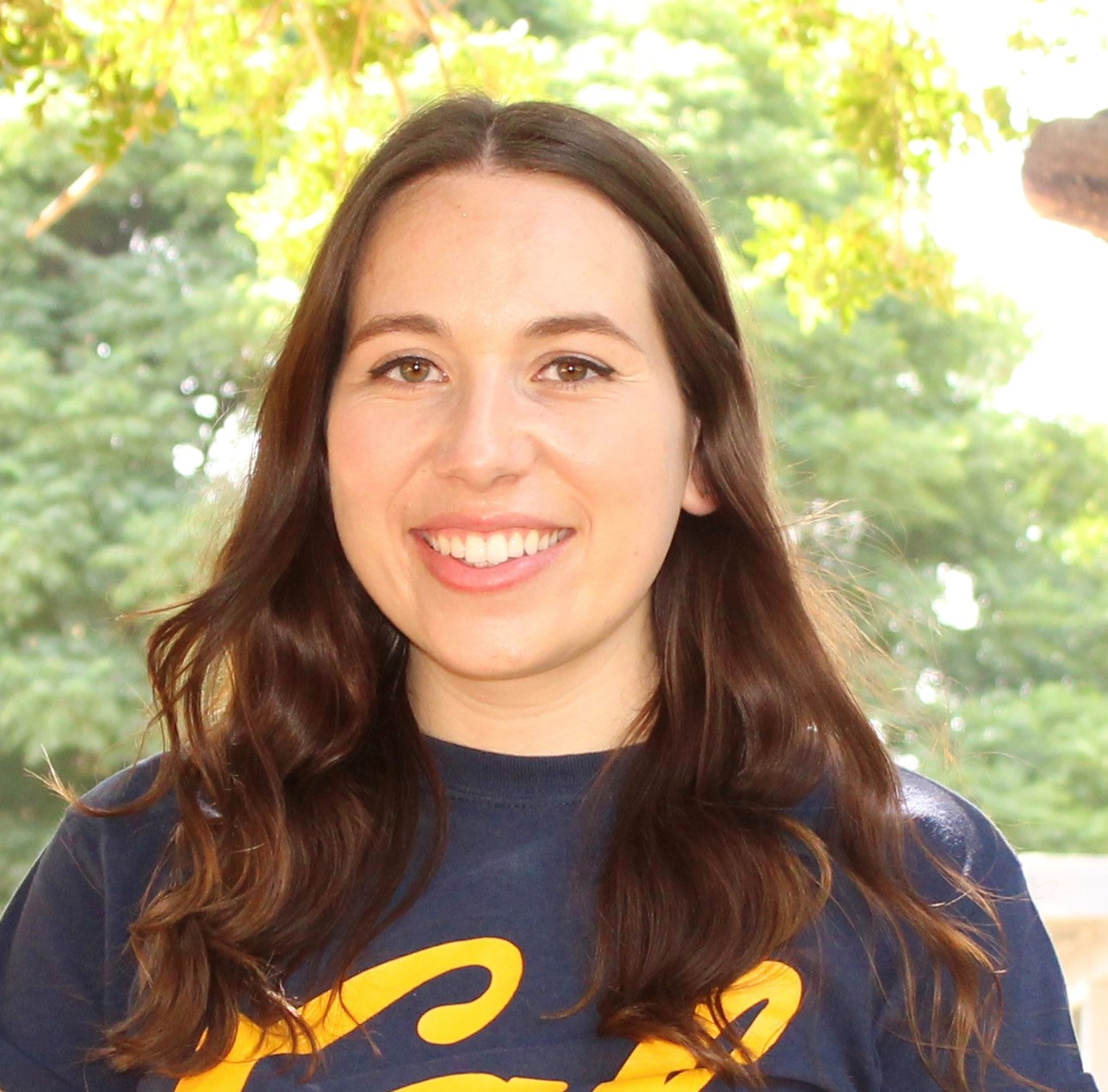
“I’m conducting applied limnological research on the pristine lakes of Northern Patagonia, in collaboration with Fundación Chile Lagos Limpios. This model will be used to investigate how the physics and water quality of these pristine lakes wi1l be impacted by climate change and watershed development over the course of the 21st century. In September 2019, I had my first opportunity to visit Northern Patagonia … but due to Covid-19 safety and travel restrictions, I have not had the opportunity to return to Chile. With your financial support, I will be able to return to the region in January 2022 and continue collecting data to improve the accuracy of the lake model under development.”
Rachelle Stark, University of California, Berkeley
“I grew up in a low-income community in San Bernardino, California where I directly saw the harsh reality of how diet contributes to many diseases (diabetes, cardiovascular disease, obesity, etc.). These preventable diseases tragically took the lives of many people in my community. For these reasons, doing research related to nutrition/metabolism is extremely important and fulfilling to me. The [ARCS Award] gives me more options for labs because I will not have to rely on the funding of the lab I choose and can instead choose a lab purely based on my research interests. The funding will also give me more time to work on the research that I find so important and fulfilling.”
Katherine Montana, San Francisco State University
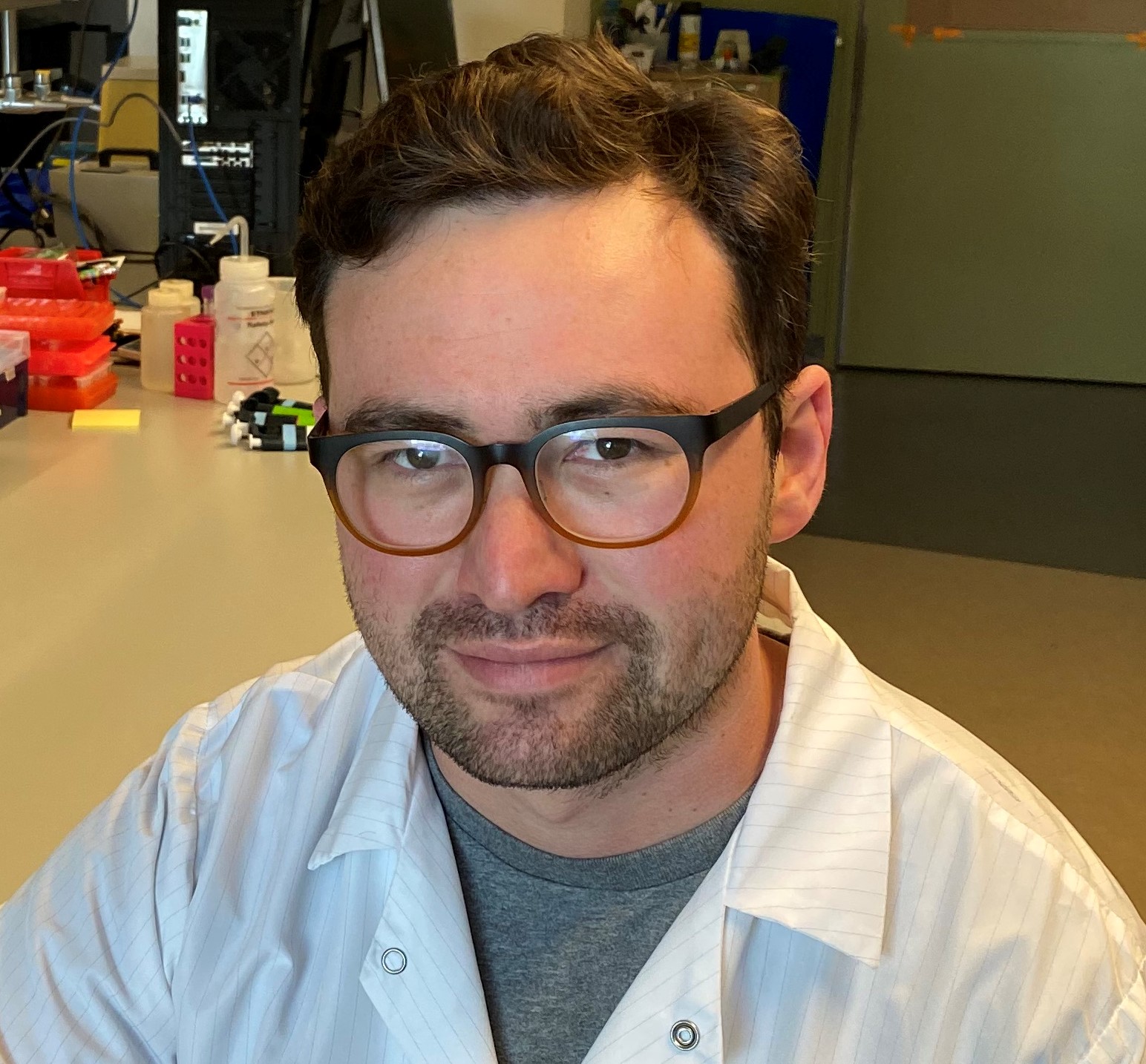
“I will be pursuing my master’s degree in integrative biology at San Francisco State University and conducting my research at the California Academy of Sciences. I am thrilled to get started on my research and mentoring projects. … This combination of research activities will offer me the opportunity to build my technical lab skills, storytelling abilities, and capacity to help other students succeed in science. ... I am deeply honored to receive the [ARCS Award] and take great joy in starting graduate school. I thank you for making this possible for me. I am ready to get to work.”
Jeremiah Tsyporin, University of California, Santa Cruz
“As I enter the final year of my PhD, I am beginning to look for mentors to oversee my post-doctoral training. One of the significant ways I can find a mentor is through the networking opportunities offered at conferences. Without this generous support, these opportunities to share my work with the greater neuroscience community would have been impossible for me. In addition to attending conferences and connecting with neuroscientists worldwide, support from ARCS has helped ease the economic burdens associated with the cost of living in Santa Cruz. Because I don’t have to focus so heavily on dealing with basic needs, I have the freedom to spend more time and mental energy focused on research and intellectual pursuits central to a successful PhD.”
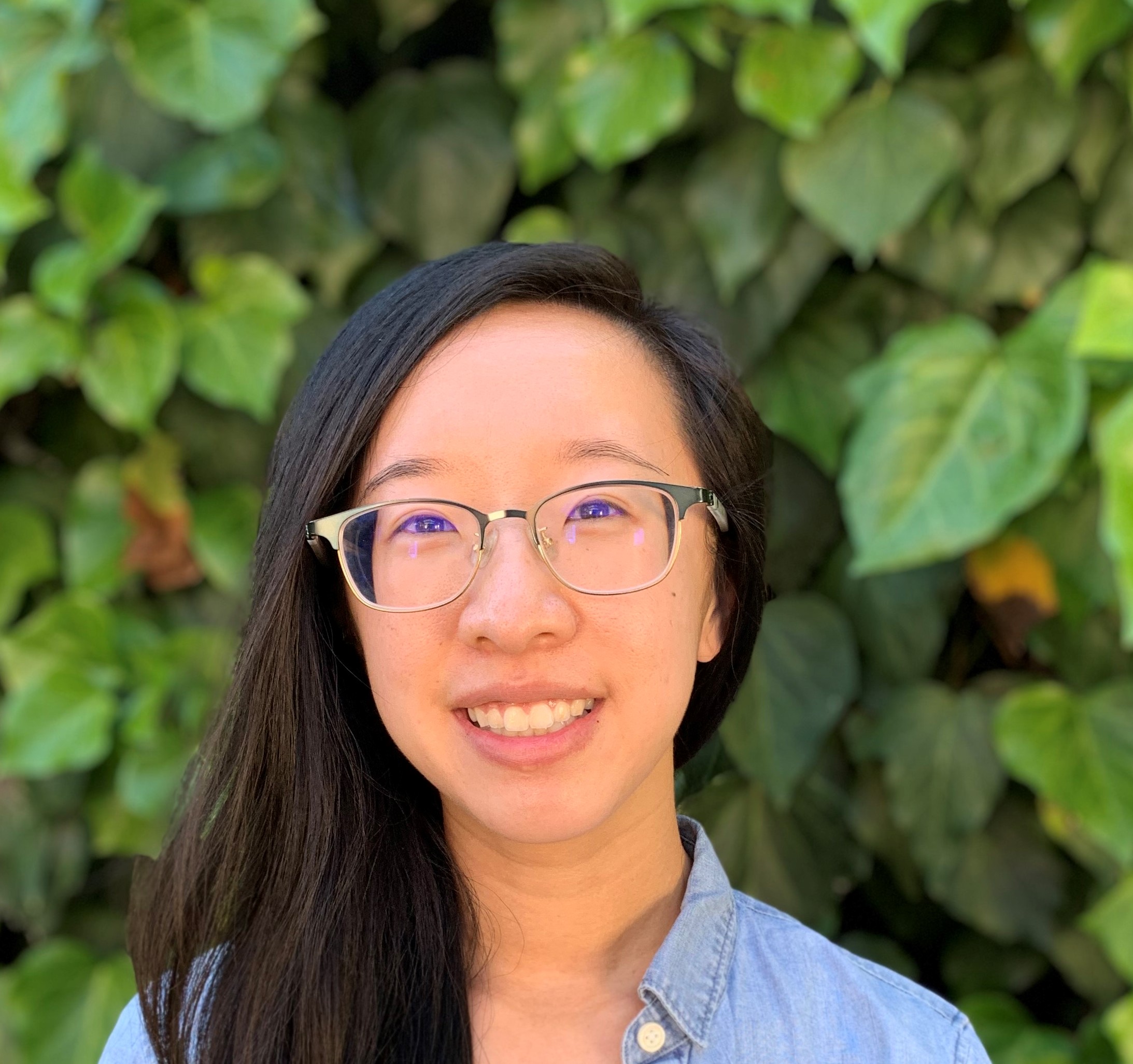
Julie Chang, Stanford University
“The ARCS Award will allow me to focus on my PhD studies without worrying about finances. My research focuses on understanding the physics of breast cancer cell migration using 3D hydrogels and time-lapse imaging. The PhD journey itself has been a rollercoaster and I’m excited to finally see the light at the end of the tunnel! After my PhD, I am hoping to land a role as a clinical scientist in the biotech industry in the Bay Area. In this role, I can help analyze and interpret clinical trial data to develop drugs that can cure human diseases. Thank you again for the ARCS award—funding the next generation of scientific thinkers is truly an impactful mission!”
Nicholas Elder, University of California, San Francisco (UCSF)
“I am grateful to earn my degree at UCSF which is world-renowned for its stem cell research. Likewise, it has been a pleasure to be supported by the ARCS Foundation and wider community. Research is a costly endeavor and being awarded this fellowship has given me the time and space to focus on impactful research while also sharing it with an interested group of donors and other scholars. The fellowship has also been a reassurance. This fall, my supervisor announced that he was leaving academia for an industry position. As I searched for a new supervisor and lab in which to complete my research, I knew that I had financial support to ease my transition.”